
TOPIC SPEAKERS
Global Standards, Local Strength: Strengthening Australia’s Manufacturing Future From Compliance to Global Market Access

Leanne Halliday
Global Head of Energy and Renewables and Hydrogen Subject Matter Expert – LRQA
Australian manufacturers operate within a Resource and Energy sector known by its cyclical nature, fluctuating commodity prices, and periods of rapid growth followed by market downturns. This volatility is even more visible today against a tumultuous geo-political backdrop.
These peaks and troughs create volatility in domestic manufacturing demand, making export diversification an attractive solution for sustaining revenue, retaining skilled workforces, and maintaining sovereign industrial capability. At the same time, Australia is seeking to strengthen domestic manufacturing capacity to support energy security, critical infrastructure, and the nation’s race to net zero. Success will therefore depend on manufacturers balancing the requirements of global markets while building a resilient industrial base capable of supporting Australia’s long-term energy and economic priorities.
As global markets become increasingly regulated and sustainability expectations intensify, manufacturers must move beyond viewing compliance as a regulatory obligation and instead leverage it as a strategic enabler of growth. International customers, investors, and regulators are looking for greater transparency, supply chain traceability, and demonstrated environmental performance. Equally important is the ability to consistently deliver products and services that meet recognised international standards. In export markets for critical large projects consistency in quality and documentation and ESG transparency can be as important as cost.
Quality: Powering Performance

Irene Jones
Commercial Quality Manager in FMCG / Food Industries
In today’s FMCG environment, quality professionals face growing challenges from supply chain complexity, rising customer expectations, and increasing pressure to improve efficiency while maintaining high standards.
In this practical session, Irene Jones explores how organisations can shift from correcting problems to preventing them, using quality insights, data, and cross-functional collaboration to drive stronger business outcomes. Through real-world examples, attendees will discover how a strong quality culture can enhance performance, support continuous improvement, and position quality as a true enabler of business success.
Beyond Conformance: Building Frontline Capability for Manufacturing Excellence

Ardi Sastrohartoyo
Chartered Chemist and Chartered Professional Chemical Engineer – Kemira
Manufacturing organisations invest significantly in quality systems, procedures, training and compliance. Yet having the right procedures and demonstrating conformance does not necessarily mean an organisation has the capability to respond effectively when processes drift, equipment behaves unexpectedly or operating conditions change.
At the same time, manufacturing is facing a significant workforce transition. Experienced operators and technicians are retiring, tacit knowledge is being lost, technologies are evolving rapidly and frontline teams are increasingly expected to interpret data, solve complex problems and make decisions across quality, safety, reliability and production.
Are we developing people simply to comply with the system, or building the capability to understand, challenge and improve it?
GME SITE TOUR
Armando Lecaros
GM, Operations – GME
Participants will experience a behind-the-scenes tour of GME’s purpose-built Winston Hills headquarters, right in the heart of Sydney’s western suburbs. See how over 245 skilled professionals bring innovation to life across Research & Development, Engineering, Quality Assurance and Manufacturing.
Explore our state-of-the-art facility where advanced technology, precision processes and Australian-made excellence come together. It’s a rare opportunity to witness the full journey of our products – from concept to creation – all under one roof.
After the tour, GME’s GM – Operations (Armando Lecaros) will provide a brief presentation on how GME goes Beyond Conformance, and uses Quality as a Business Enabler.
WORKSHOP – Lean Manufacturing “Does Lean fit in a Quality System”
Brent Johnston
Brent is a Mechanical Engineering professional that has been working in Design and Manufacturing with over 40 years experience across Planes, Trains and Automobiles. Brent has been applying Lean thinking to product development and manufacturing systems to help businesses create great products and processes to ensure customer quality.
Lean and Quality Management are often discussed as separate disciplines, yet both share the common objective of improving organisational performance through consistent, customer-focused processes. This interactive session will challenge participants to examine the relationship between Lean and modern Quality Management Systems, exploring whether Lean should be viewed as an integral component of an effective quality system or as a separate methodology operating alongside it.
Beginning with a practical overview of what Lean truly represents—beyond tools and waste reduction—the session will examine how Lean principles align with process-based thinking, risk management, and continuous improvement requirements embedded within contemporary quality standards. Through facilitated simulation, participants will explore the opportunities, challenges, and misconceptions surrounding the integration of Lean into daily operational quality management.
Designed to encourage open dialogue and the sharing of experiences, this session aims to provide attendees with practical insights into creating focus on the operational systems where Lean and Quality work together to deliver sustainable improvements in performance, customer value, and organisational excellence.
SHORT Snippet Speakers
Harnessing the Power of FMEAs
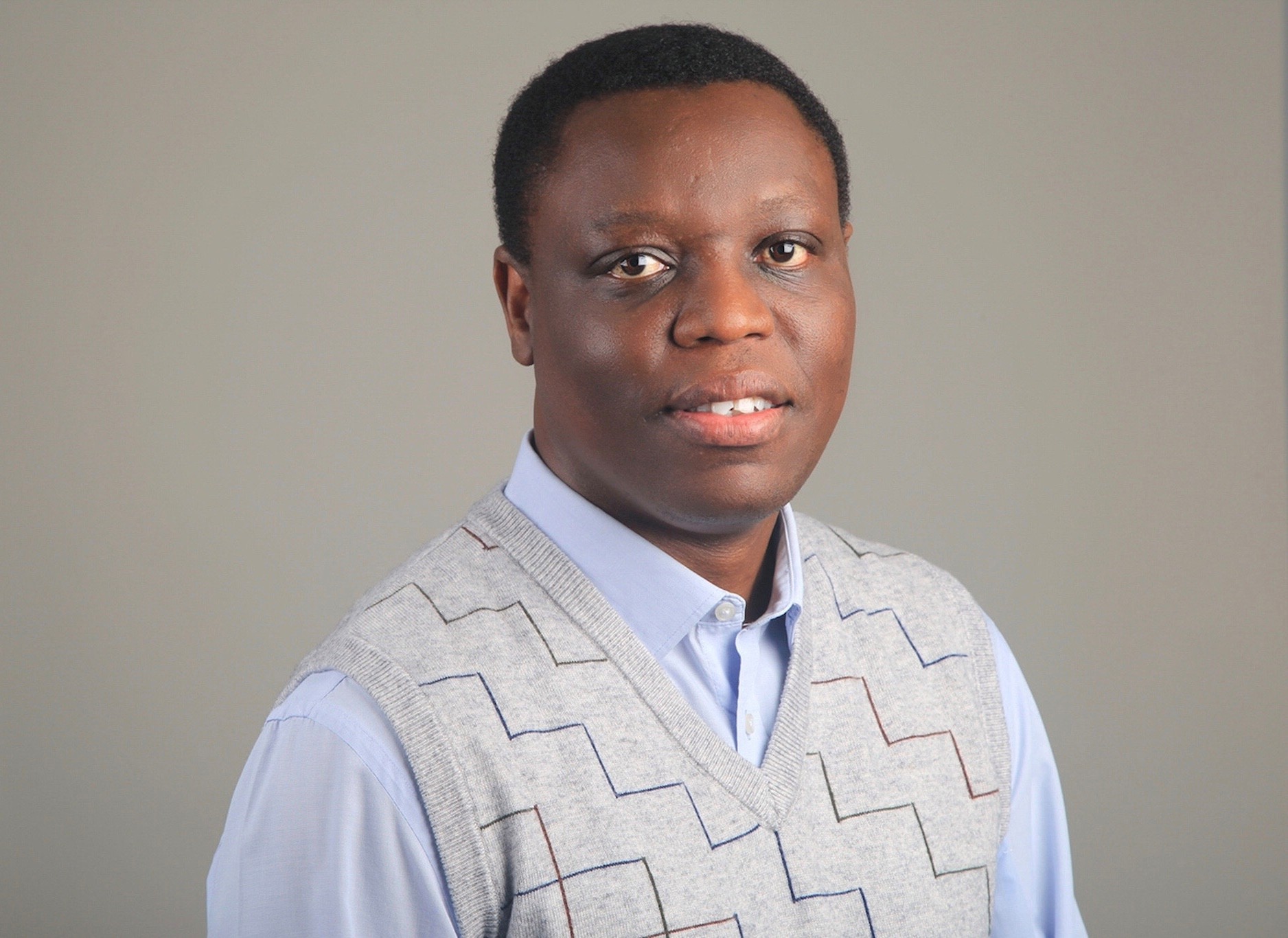
Shingai Mabambe
Management Systems Consultant, ISO Global / Advarra Consulting
Watch here for our Fireside Chat with Shingai as he talks about his presentation.
FMEAs: From Paperwork to Predictive Quality
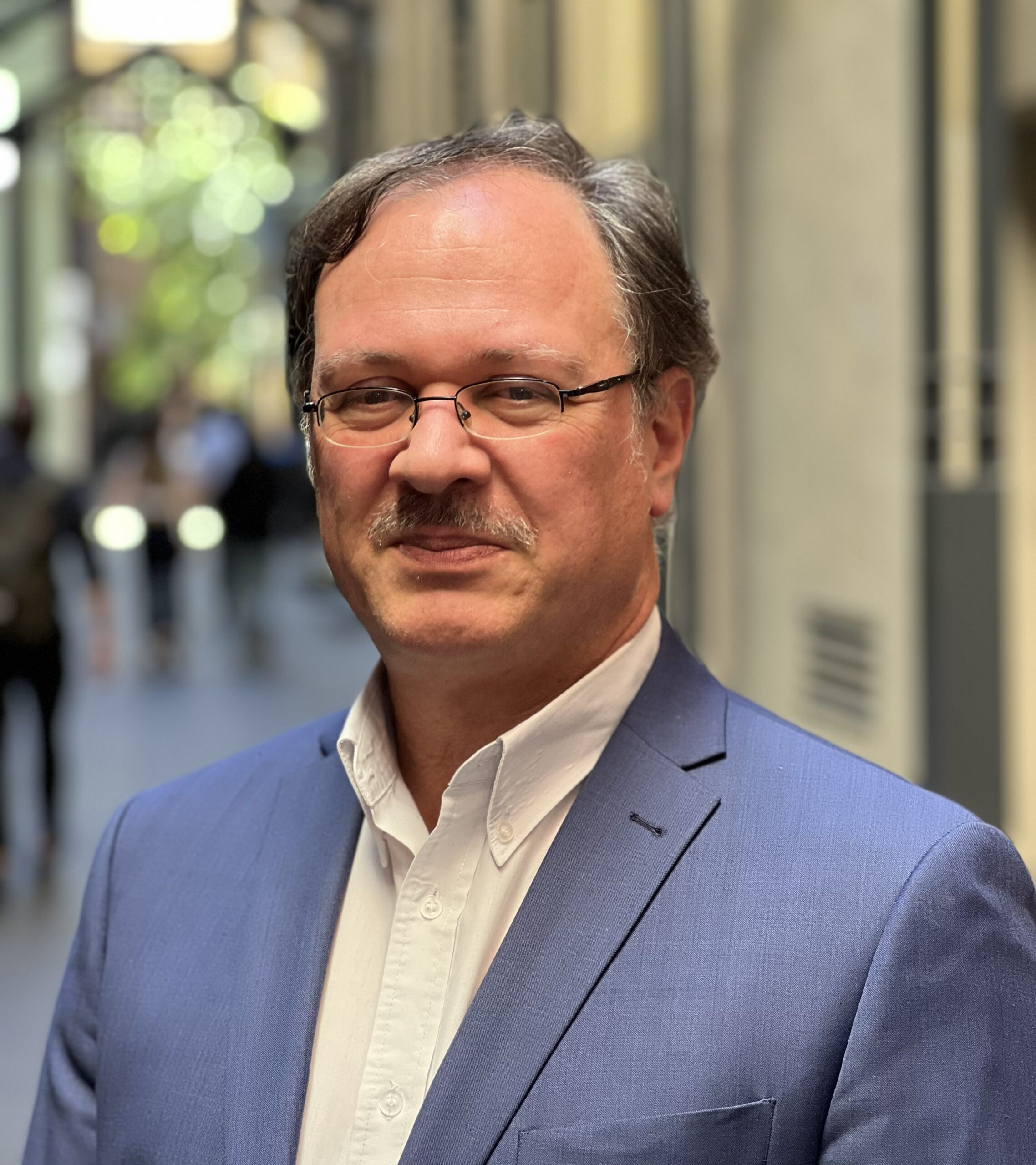
Jim Kefaloukos
AOQ President, and Quality Safety Environment Leader, Collective Engineering
Chasing Excellence with AI – a Structured Path to Business Value